Image not found

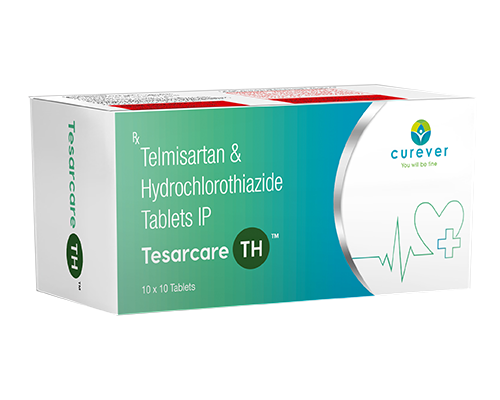
TESARCARE TH

Company Name : Curever Pharma

Dosage Form : TABLET

Route of Administration : Oral

Therapeutic Category : Cardio

Pack Size : Strip of 10 Tablets

Qty : 1

Mrp: Rs. 75.00


**(Note : Prices are subject to change depending on the batch availability)


Report an error in composition detail

*** The Substitution of the prescription will be done after approval/consent of your Registered Medical Practitioner: By Reference Pharmacy Practice Guideline 2015. India

*** Please ensure that you have Original prescription ready to show our Pharmacist once he comes to deliver the medicines. In absence of Original prescription, we will unable to hand over the medicines.

Compositions:

General Information

•Telmisartan is an angiotensin II receptor antagonist. Telmisartan blocks the receptors that angiotensin II acts on, and so prevents its actions. The main result of this is that the peripheral blood vessels are allowed to widen, which means that there is more space and less resistance in these blood vessels. This is the main mechanism by which the pressure in the blood vessels is lowered. Blocking the actions of angiotensin II also reduces the action of aldosterone on the kidneys. The result of this is an increase in the amount of fluid removed from the blood by the kidneys. This decreases the amount of fluid in the blood vessels, which also lessens the resistance and pressure in the blood vessels. The combined overall effect of these changes is to lower the blood pressure.
• High blood pressure with no known cause (essential hypertension).
• Reducing the risk of heart attack or stroke in people with a history of coronary heart disease, previous stroke or type 2 diabetes that has caused damage to any organs.
• Take your medications exactly as prescribed by your doctor, including at the right times and for the full length of your prescribed treatment.
• Blood pressure medicines such as this one may occasionally cause drowsiness and dizziness. You should take care when performing potentially hazardous activites, such as driving or operating machinery, until you know how this medicine affects you and are sure you can perform such activities safely.
• You should take extra care if you drink alcohol while taking this medicine, as it may enhance the blood pressure lowering effect and could make you feel dizzy or faint.
• People with decreased kidney function should have regular blood tests to monitor the levels of potassium and creatinine in their blood while taking this medicine.
• This medicine may be less effective at lowering blood pressure in people of Afro-Caribbean descent.
• Elderly people.
• People with a low volume of fluid or salt in their body, eg due to diuretic therapy, low salt diet, kidney dialysis, diarrhoea, vomiting, dehydration.
• Mild to moderately decreased liver function.
• Decreased kidney function or kidney disease.
• People with narrowing in the one or both of the arteries that supply blood to the kidneys (renal artery stenosis).
• People with narrowing of the main artery that leaves the heart to supply blood to the body (aortic stenosis).
• Heart valve disease (mitral valve stenosis).
• Heart disease characterised by thickening of the internal heart muscle and a blockage inside the heart (hypertrophic obstructive cardiomyopathy).
• Severe heart failure.
• Heart disease caused by inadequate blood flow to the heart (ischaemic heart disease, eg angina).
• People with high levels of potassium in their blood (hyperkalaemia).
• Diabetes.
• Severely decreased liver function.
• Blockage of the bile duct (biliary obstruction).
• Pregnancy.
• Breastfeeding.
• Telmisartan tablets contain sorbitol and are not suitable for people with an inherited intolerance to fructose in the diet.
• The safety of this medicine has not been established in children and adolescents under the age of 18. It is not recommended for this age group.
• People with high blood pressure due to high levels of the hormone aldosterone (primary hyperaldosteronism) do not generally respond to this type of blood pressure lowering medicine, and it is not recommended for these people. This medicine should not be used if you are allergic to any of its ingredients. Please inform your doctor or pharmacist if you have previously experienced such an allergy.
•Certain medicines should not be used during pregnancy or breastfeeding. However, other medicines may be safely used in pregnancy or breastfeeding providing the benefits to the mother outweigh the risks to the unborn baby. Always inform your doctor if you are pregnant or planning a pregnancy, before using any medicine.
• This medicine should not be used during pregnancy, particularly the second and third trimesters, as it may be harmful to the developing baby. If you get pregnant during treatment or want to try for a baby, you should stop taking this medicine and consult your doctor. If appropriate, your doctor may prescribe you a different blood pressure medicine that is safe to take during pregnancy. Seek further medical advice from your doctor.
• It is not known if this medicine passes into breast milk. For this reason, the manufacturer states that it should not be used during breastfeeding. Seek medical advice from your doctor.
•Medicines and their possible side effects can affect individual people in different ways. The following are some of the side effects that are known to be associated with this medicine. Just because a side effect is stated here does not mean that all people using this medicine will experience that or any side effect.
• Abdominal pain.
• Diarrhoea.
• Indigestion (dyspepsia).
• Wind (flatulence).
• Dry mouth.
• Low blood pressure (hypotension).
• Sensation of spinning (vertigo).
• Fainting.
• Difficulty sleeping (insomnia).
• Shortness of breath.
• Increased sweating.
• Itching.
• Pain in the muscles (myalgia).
• Chest pain.
• Increased level of potassium in the blood (hyperkalaemia).
• Decreased kidney function, including kidney failure.
• Upper airway infections, eg pharyngitis, sinusitis.
• Flu-like symptoms.
• Decreased levels of red blood cells (anaemia) or platelets (thrombocytopenia) in the blood.
• Joint or back pain.
• Muscle cramps.
• Weakness.
• Upset stomach or vomiting.
• Skin reactions such as redness or hives (urticaria).
• Severe swelling of lips, face, tongue or throat (angioedema). Stop taking this medicine and consult your doctor immediately if you experience difficulty breathing or swallowing, or swelling of your face, lips, tongue or throat while taking this medicine.
• Anxiety.
• Depression.
• Abnormal vision.
• Increased heart rate (tachycardia).
• Drop in blood pressure that causes dizziness when moving from a lying down or sitting position to sitting or standing.
• Liver problems.
•It is important to tell your doctor or pharmacist what medicines you are taking, including those bought without a prescription and herbal medicines, before you start treatment with this medicine. Likewise, always check with your doctor or pharmacist before taking any other medicines during treatment with this one so that they can make sure that the combination is safe. Telmisartan has an additive effect with other medicines that decrease blood pressure, particularly other medicines used to treat high blood pressure (antihypertensives). This may cause dizziness, particularly when standing up. This can usually be relieved by lying down until the symptoms pass. If you are taking a diuretic medicine, your doctor may reduce your dose or ask you to stop taking it for a few days before starting telmisartan. This is to prevent your blood pressure from dropping too low. If you frequently feel dizzy while taking this medicine in combination with other medicines that can lower blood pressure you should let your doctor know, as your doses may need adjusting. Other medicines that decrease blood pressure include the following:
• ACE inhibitors, eg captopril
• aldesleukin
• alpha-blockers such as prazosin
• alprostadil
• other angiotensin II receptor antagonists such as losartan
• antipsychotics
• benzodiazepines, eg temazepam, diazepam
• baclofen
• beta-blockers such as propranolol
• calcium-channel blockers such as verapamil, nifedipine
• clonidine
• diazoxide
• diuretics, eg furosemide, bendroflumethiazide
• dopamine agonists, eg bromocriptine, apomorphine
• hydralazine
• levodopa
• MAOI antidepressants, eg phenelzine
• methyldopa
• minoxidil
• moxonidine
• moxisylyte
• nicorandil
• nitrates, eg glyceryl trinitrate
• tizanidine.
• Non-steroidal anti-inflammatory drugs (NSAIDs, eg indometacin, aspirin, diclofenac, ibuprofen) may reduce the blood pressure lowering effect of telmisartan, and may increase the risk of a decline in kidney function. You should avoid taking this type of painkiller unless recommended by your doctor. There may be a risk of raised potassium levels in the blood (hyperkalaemia) if any of the following medicines are taken in combination with telmisartan. If you are taking any of these with this medicine you should have regular blood tests to monitor the amount of potassium in your blood:
• ACE inhibitors, eg enalapril, captopril
• other angiotensin II receptor antagonists, eg losartan
• ciclosporin
• drospirenone
• epoetin (this may also oppose the blood pressure lowering effect of telmisartan)
• heparin
• NSAIDs, eg indometacin, aspirin, diclofenac, ibuprofen
• potassium-containing salt substitutes (eg Lo-Salt)
• potassium salts, eg potassium citrate for cystitis
• potassium-sparing diuretics, eg spironolactone, triamterene, amiloride
• potassium supplements
• tacrolimus. Telmisartan may increase the blood levels of the following medicines. If you are taking either of these medicines in combination with telmisartan your doctor may need to monitor their blood levels to make sure they do not rise too high:
• digoxin
• lithium
•Read the package insert and/or patient product information sheet that comes with your prescription.
• Most medications should be stored in a dry place away from heat and humidity.
• Some medications also have special instructions for storage. Check for special instructions on your prescription label.
• If your medication needs to be protected from light, it should be stored in a container that filters out light, such as a clean film canister.
• If your medication needs to be refrigerated, and you do not have a fridge available (for example, if you are working outside or on the road all day), try using a cooler with an ice pack. An ordinary cooler found at hardware or sporting goods stores will do.
•Consult your doctor for further instructions and also read the package insert and/or patient product information sheet that comes with your prescription.

Important Advisory for TELMISARTAN

Drug not to be used with alcohol N/A
Drug to be avoid with alcohol N/A
Drug Contraceptive Interaction N/A
Medications which should be taken on empty stomach N/A
Medications which should be taken with food N/A
Preganacy Category Description Either studies in animals have revealed adverse effects on the fetus (teratogenic or embryocidal or other) and there are no controlled studies in women, or studies in women and animals are not available. Drugs should be given only if the potential benefit justifies the potential risk to the fetus.
Drug Interaction with Molecules Drug Interaction
Lithium Increased in serum lithium concentration and toxicity

General Information

•Hydrochlorothiazide is a thiazide diuretic (water pill) that helps prevent your body from absorbing too much salt, which can cause fluid retention.
•You should take as prescribed by your doctor as there are many drugs which have their different uses.
•Hydrochlorothiazide treats fluid retention (edema) in people with congestive heart failure, cirrhosis of the liver, or kidney disorders, or edema caused by taking steroids or estrogen. This medication is also used to treat high blood pressure (hypertension). Hydrochlorothiazide may also be used for purposes not listed in this medication guide.
•Take hydrochlorothiazide exactly as prescribed by your doctor. Do not take in larger or smaller amounts or for longer than recommended. Follow the directions on your prescription label. Your doctor may occasionally change your dose to make sure you get the best results. Your blood pressure will need to be checked often. Visit your doctor regularly. Your blood and urine may both be tested if you have been vomiting or are dehydrated. Hydrochlorothiazide can interfere with the results of a thyroid test. Tell any doctor who treats you that you are using a thiazide diuretic. If you are being treated for high blood pressure, keep using hydrochlorothiazide even if you feel well. High blood pressure often has no symptoms. You may need to use blood pressure medication for the rest of your life.
•You should not use this medication if you are allergic to hydrochlorothiazide, or if you are unable to urinate. To make sure you can safely take hydrochlorothiazide, tell your doctor if you have any of these other conditions: kidney disease; liver disease; glaucoma; asthma or allergies; gout; diabetes; or an allergy to sulfa drugs or penicillin.
•Drinking alcohol can increase certain side effects of hydrochlorothiazide. Avoid becoming overheated or dehydrated during exercise and in hot weather. Follow your doctor's instructions about the type and amount of liquids you should drink. In some cases, drinking too much liquid can be as unsafe as not drinking enough.
•FDA pregnancy category B. Hydrochlorothiazide is not expected to be harmful to an unborn baby. Tell your doctor if you are pregnant or plan to become pregnant during treatment. Hydrochlorothiazide can pass into breast milk and may harm a nursing baby. Do not use this medication without telling your doctor if you are breast-feeding a baby.
•Get emergency medical help if you have any of these signs of an allergic reaction to hydrochlorothiazide: hives; difficulty breathing; swelling of your face, lips, tongue, or throat. Stop using hydrochlorothiazide and call your doctor at once if you have a serious side effect such as: eye pain, vision problems; dry mouth, thirst, nausea, vomiting; feeling weak, drowsy, restless, or light-headed; fast or uneven heartbeat; muscle pain or weakness; numbness or tingly feeling; a red, blistering, peeling skin rash; or nausea, upper stomach pain, itching, loss of appetite, dark urine, clay-colored stools, jaundice (yellowing of the skin or eyes). Less serious hydrochlorothiazide side effects may include: diarrhea; mild stomach pain; constipation; or blurred vision. This is not a complete list of side effects and others may occur. Tell your doctor about any unusual or bothersome side effect.
•Tell your doctor if you regularly use other medicines that make you light-headed (such as cold medicine, pain medication, muscle relaxers, and medicine for seizures, depression or anxiety). They can add to the side effects of hydrochlorothiazide. Tell your doctor about all other medicines you use, especially: lithium (Eskalith, Lithobid); digoxin (Lanoxin); cholestyramine (Prevalite, Questran) or colestipol (Colestid); steroids (prednisone and others); other blood pressure medications; NSAIDs (non-steroidal anti-inflammatory drugs) such as aspirin, ibuprofen (Advil, Motrin), naproxen (Aleve, Naprosyn, Naprelan, Treximet), celecoxib (Celebrex), diclofenac (Arthrotec, Cambia, Cataflam, Voltaren, Flector Patch, Pennsaid, Solareze), indomethacin (Indocin), meloxicam (Mobic), and others; or insulin or oral diabetes medication. This list is not complete and other drugs may interact with hydrochlorothiazide. Tell your doctor about all medications you use. This includes prescription, over-the-counter, vitamin, and herbal products. Do not start a new medication without telling your doctor.
•Store at room temperature away from heat, light, and moisture.
•Take the missed dose as soon as you remember. Skip the missed dose if it is almost time for your next scheduled dose. Do not take extra medicine to make up the missed dose.

Important Advisory for HYDROCHLOROTHIAZIDE

Drug not to be used with alcohol Follow your doctor's instructions about any restrictions on food, beverages, activity, or other medications.
Drug to be avoid with alcohol Certain medicines should not be used at or around the time of eating food or eating certain types of food since interactions may occur. Using alcohol or tobacco with certain medicines may also cause interactions to occur. Discuss with your healthcare professional the use of your medicine with food, alcohol, or tobacco. Using medicines in this class with any of the following is usually not recommended, but may be unavoidable in some cases. If used together, your doctor may change the dose or how often you use your medicine, or give you special instructions about the use of food, alcohol, or tobacco. Grapefruit Juice
Drug Contraceptive Interaction N/A
Medications which should be taken on empty stomach N/A
Medications which should be taken with food N/A
Preganacy Category Description Either animal-reproduction studies have not demonstrated a fetal risk but there are no controlled studies in pregnant women, or animalreproduction studies have shown an adverse effect (other than a decrease in fertility) that was not confirmed in controlled studies in women in the first trimester i.e 0-14 weeks (and there is no evidence of a risk in later trimesters).
Drug Interaction with Molecules Drug Interaction
Amitriptyline Increased risk of postural hypotension
Amphotericin B Increased risk of hypokalaemia
Artemether + Lumefantrine Increased risk of ventricular arrhythmias if electrolyte disturbance occurs
Carbamazepine Increased risk of hyponatraemia
Cisplatin Increased risk of nephrotoxicity and ototoxicity
Digoxin Cardiac toxicity of digoxin increased if hypokalaemia occurs
Glibenclamide Antagonism of hypoglycaemic effect
Ibuprofen Risk of nephrotoxicity of ibuprofen increased; antagonism of diuretic effect
Insulins Antagonism of hypoglycaemic effect
Lithium Reduced lithium excretion (increased plasma-lithium concentration and risk of toxicity); furosemide safer than hydrochlorothiazide
Salbutamol Increased risk of hypokalaemia with high doses of salbutamol