•It is important to tell your doctor or pharmacist what medicines you are already taking, including those bought without a prescription and herbal medicines, before you start treatment with this medicine. Similarly, check with your doctor or pharmacist before taking any new medicines while taking this one, to make sure that the combination is safe.
This medicine should not be taken by people taking ergotamine or related medicines, eg dihydroergotamine or methysergide (used to treat migraine).
Antacids for indigestion and heartburn reduce the absorption of azithromycin from the gut if they are taken at the same time as azithromycin. Antacids should not be taken in the two hours before and after taking azithromycin.
Azithromycin may reduce the breakdown of the medicines listed below. If the blood levels of these medicines are raised as a result, it may lead to an increased risk of their side effects. If you are taking one of these medicines and are prescribed azithromycin you should let your doctor or pharmacist know if you experience any new or increased side effects:
• ciclosporin
• colchicine
• digoxin
• disopyramide
• droperidol
• mizolastine
• pimozide
• quetiapine
• reboxetine
• rifabutin
• theophylline.
If you are taking digoxin or ciclosporin it is recommended that your blood levels are monitored while you are taking a course of azithromycin. Your doctor may adjust your digoxin or ciclosporin dose if necessary.
The manufacturers of droperidol, mizolastine, pimozide and reboxetine state that macrolide antibiotics such as this one are not recommended for people taking these medicines.
Azithromycin may enhance the anti-blood-clotting effects of warfarin and possibly other anticoagulant medicines. If you are taking an anticoagulant your doctor may want to perform extra monitoring of your blood clotting time (INR) while you are also taking azithromycin.
Oral typhoid vaccine (Vivotif) should not be taken until at least three days after you have finished a course of this antibiotic, because the antibiotic could make the vaccine less effective.
Nelfinavir may increase the amount of azithromycin in the blood. If you regularly take nelfinavir you should tell your doctor if you experience any new side effects while taking a course of azithromycin.
There may be an increased risk of abnormal heart beats if clarithromycin is taken in combination with any of the following medicines:
• anti-arrhythmic medicines (for an irregular heartbeat), eg amiodarone, disopyramide, quinidine
• certain antimalarials, eg chloroquine, quinine, mefloquine, halofantrine
• certain antipsychotics, eg chlorpromazine, thioridazine, fluphenazine, haloperidol.
In the past, women using hormonal contraception such as the pill or patch would be advised to use an extra method of contraception (eg condoms) while taking an antibiotic like this one and for seven days after finishing the course. However, this advice has now changed. You no longer need to use an extra method of contraception with the pill, patch or vaginal ring while you take a course of antibiotics. This change in advice comes because to date there is no evidence to prove that antibiotics (other than rifampicin or rifabutin) affect these contraceptives. This is the latest guidance from the Faculty of Sexual & Reproductive Healthcare.
However, if you are taking the contraceptive pill and experience vomiting or diarrhoea as a result of taking this antibiotic, you should follow the instructions for vomiting and diarrhoea described in the leaflet provided with your pills.
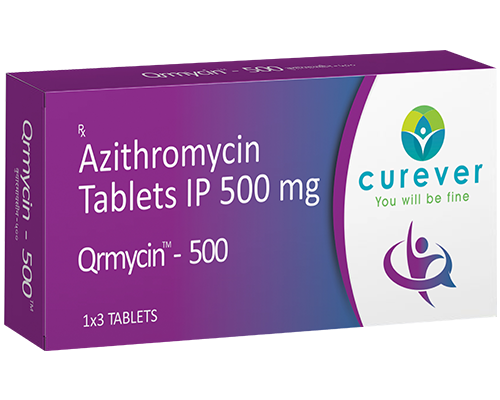









 How does it work?